Begin with the recipient’s wishes
Some people welcome wearable remembrance; others do not. Ask gently whether exploring a keepsake would feel helpful, and accept an uncertain or negative answer. A gift does not need to mark a particular stage of grief, and it should not suggest how the person ought to feel.
Personal materials need agreement
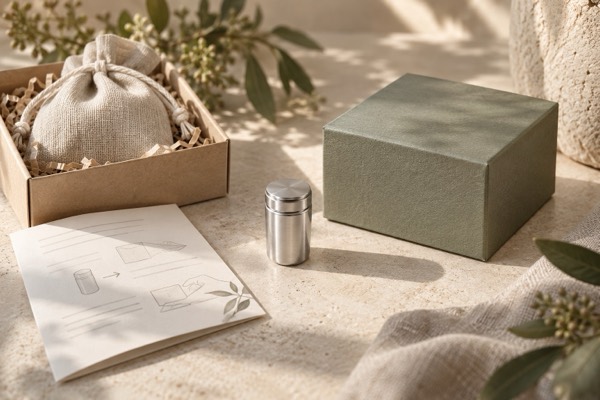
Ashes, photographs and personal records should not be collected or sent as a surprise. Establish who is responsible for the material and whether everyone whose agreement is needed is comfortable with the plan. The recipient may want to choose the handling process themselves, even if they welcome the gift.
Timing budget and presentation
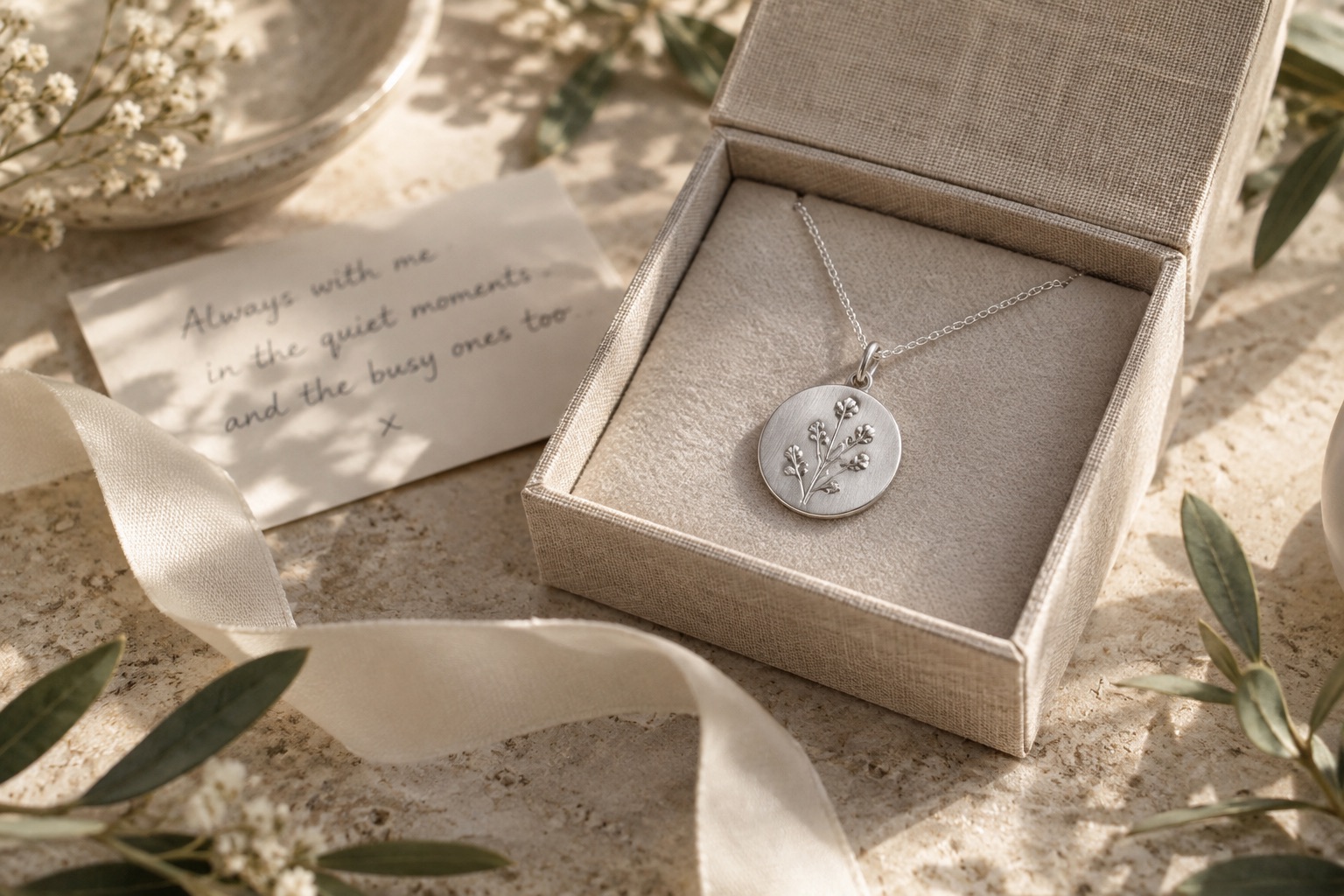
There is no universal best date for giving a keepsake. Discuss timing without pressure and choose a budget you can comfortably explain. A simple message such as offering to explore the idea together can leave room for the recipient to decide now, later or not at all.
Help the recipient explore
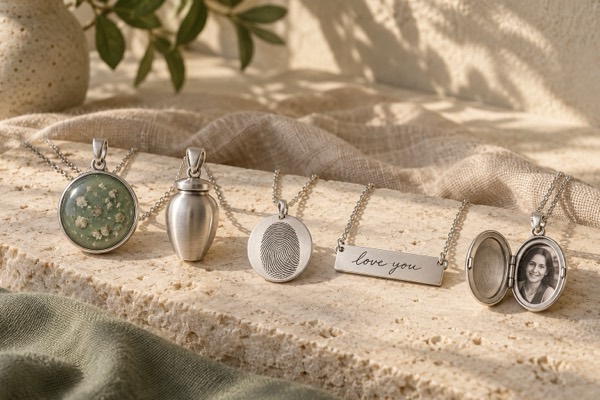
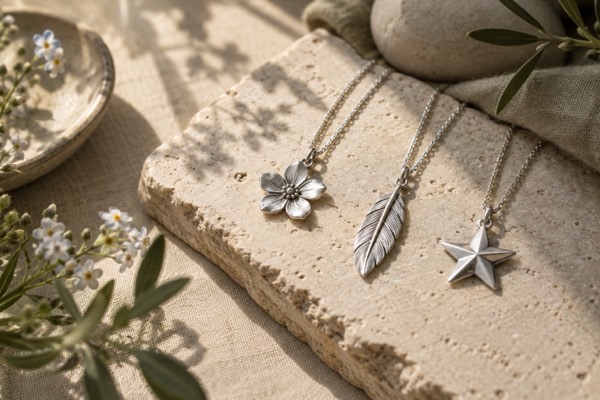
If the idea is welcome, begin with a comparison of approaches rather than a finished design. Symbolic jewellery can be considered without ashes or prints, but it still involves a personal choice. Let the recipient decide what kind of connection they want to carry and how visible it should be.
Questions you might have
Is memorial jewellery always a welcome gift?
No. Preferences differ, and some people do not want a wearable memorial. Ask before making a highly personal or irreversible choice.
Should I arrange ashes jewellery as a surprise?
It is better to obtain clear agreement before using ashes or private records. The recipient should have a say in the design and handling.
How can I offer a gift without pressuring someone?
Offer help exploring the options, make clear there is no deadline and accept their choice to wait or decline.